Air Pollution and Children: A Practical Guide for Parents and Schools
A practical AQI action plan for parents and schools, covering outdoor activity, classrooms, asthma, communication and cleaner air.
In this article
Understand first
Three things this evidence means for you
- 1Children can receive a larger pollution dose relative to body size, spend time active outdoors, and have lungs that are still developing.
- 2Schools should use current AQI and forecasts to modify intensity, duration, timing, and location rather than rely on one rule for every child.
- 3A written action plan, cleaner classrooms, asthma support, and clear family communication make decisions faster and more consistent.
Why children are more vulnerable
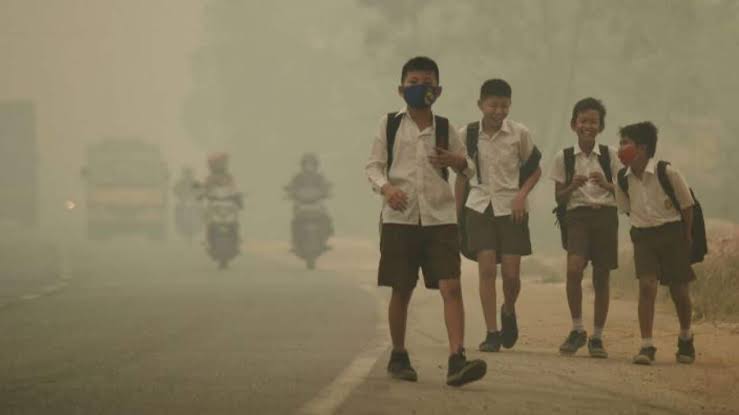
Children's lungs and other body systems are still developing. They often spend more time playing outside and breathe more air relative to body size than adults. These factors can increase exposure during polluted periods.
Air pollution can irritate airways, aggravate asthma, contribute to respiratory symptoms and infections, and affect healthy lung development. Risk depends on pollutant, dose, age, health, and repeated exposure.
Symptoms adults should notice
Move a symptomatic child to cleaner air and follow the child's health plan. Seek urgent medical care for severe breathing difficulty, bluish lips, confusion, fainting, chest pain, or symptoms that do not settle.
- Coughing, wheezing, throat irritation, or chest tightness
- Unusual breathlessness or fatigue during normal activity
- Asthma symptoms or increased need for prescribed reliever medicine
- Eye irritation, headache, or reduced ability to participate
When to modify or cancel outdoor activity
Use the health message associated with the active AQI standard. As pollution rises, first reduce prolonged or intense activity for sensitive students. At higher categories, shorten or relocate activity for everyone. Cancellation is appropriate when a cleaner option is not available or official guidance requires it.
A short, light recess is different from a long endurance event. Duration and intensity should be written into the school's plan rather than treated as identical exposures.
Arrival, departure, play and sports
- Prevent vehicle idling at school gates
- Move queues and play areas away from traffic and dust
- Check conditions again before long sports sessions
- Schedule strenuous events during a forecast cleaner window
- Provide a lower-intensity or indoor option without penalizing students
Cleaner classrooms
Remove indoor sources such as smoking, incense, open burning, harsh sprays, and poorly vented combustion. Ventilate when outdoor air is cleaner and manage heat and infection risk at the same time. Correctly sized portable filtration can reduce particles when windows need to remain closed.
An indoor monitor can reveal trends and test whether a change helps, but it should be placed away from direct drafts and used with quality limitations in mind.
Supporting students with asthma
Maintain current emergency contacts and individual asthma action plans. Ensure trained adults can recognize worsening symptoms and that prescribed medication is accessible under school policy. Air quality is one trigger among several, so the child's clinical plan takes priority.
A school air-quality action plan checklist
- Named decision-maker and backup
- Trusted location, source, timestamp, and AQI standard
- Actions for each category and sensitive students
- Indoor location with lower particle levels
- Sports, transport, and field-trip procedures
- Family and staff message templates
- Review after each episode to improve the plan
Local context
A school-day decision in Kathmandu Valley
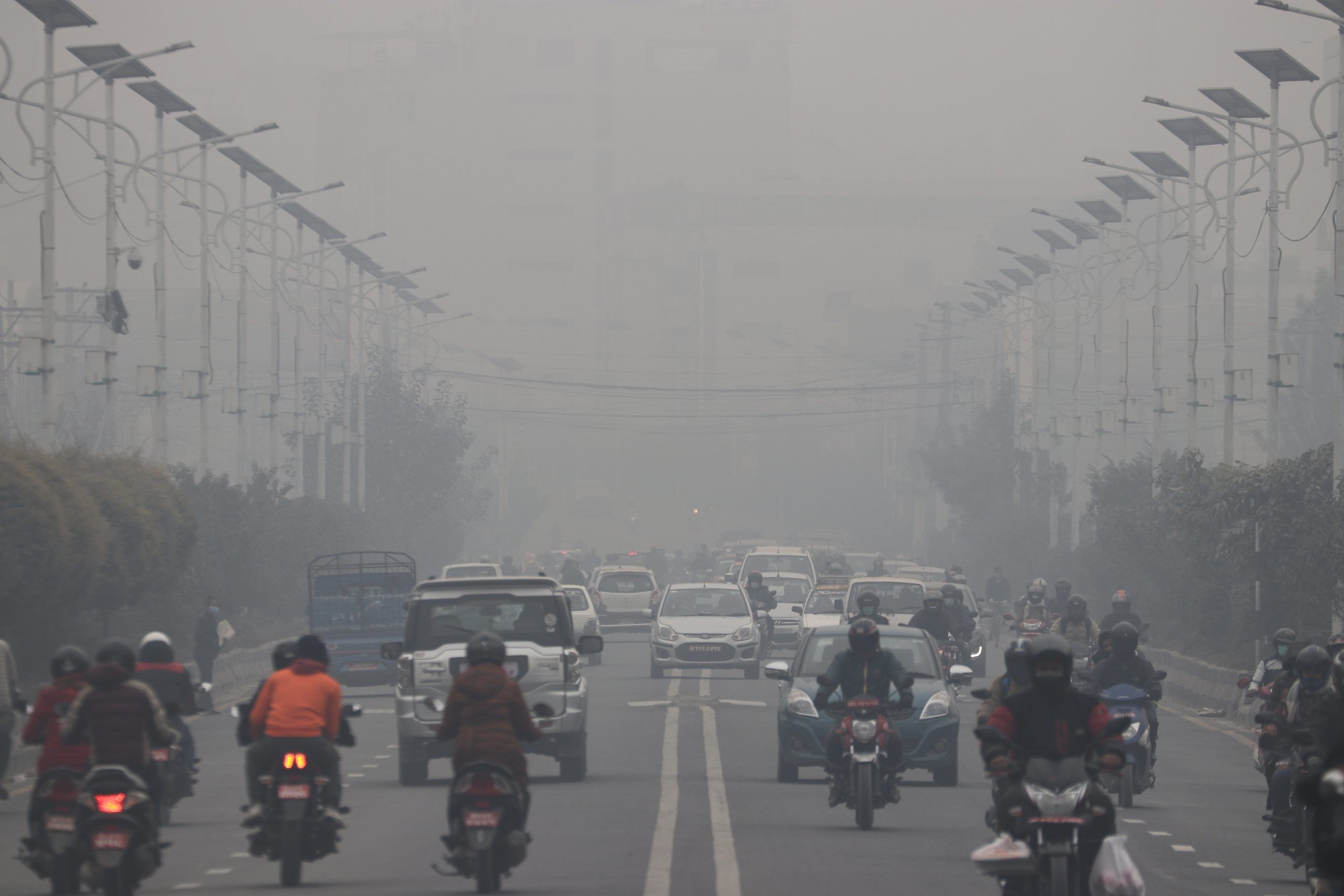
Before morning assembly, a school checks the nearest current reading, update time, dominant pollutant, and hourly forecast. If particle pollution is elevated, staff move assembly indoors, shorten outdoor play, and reschedule endurance sport for a cleaner period. Families receive one short message explaining the reading, decision, and next update.
Now act
Practical recommendations
- Assign one trained staff member and one backup to check air quality before school and outdoor events.
- Use a written category-based activity plan that includes sensitive students.
- Keep an up-to-date asthma action plan and access to prescribed medication.
- Move students away from idling vehicles, smoking, waste burning, dust, and generator exhaust.
- Improve classroom source control, ventilation timing, and filtration where feasible.
- Tell families what changed, why it changed, and when conditions will be reviewed again.
Sources and methodology
The action framework is based on AirNow and EPA school guidance plus WHO health information. Schools should adapt thresholds to the AQI system displayed, national instructions, building conditions, heat risk, and individual medical plans. It is not a clinical protocol.
- 1.Air quality and outdoor activity guidance for schools: AirNow
- 2.Indoor air quality in schools: US Environmental Protection Agency
- 3.Health effects of air pollution: World Health Organization
Continue learning
Related action guides
 Our Research
Kathmandu Air Pollution: Causes, Seasons and Health Effects
Understand why Kathmandu's air becomes polluted, who faces the greatest risk, and which practical actions can reduce exposure today.
 Our Research
Why Does Kathmandu’s Air Pollution Get Worse in Winter?
See how temperature inversions, valley terrain, weak wind, dry weather and seasonal emissions create Kathmandu's winter pollution episodes.
 Our Research
How Weather Patterns Affect Air Quality
Discover how wind, rain, temperature, and humidity change pollution levels in urban areas.