Kathmandu Air Pollution: Causes, Seasons and Health Effects
Understand why Kathmandu's air becomes polluted, who faces the greatest risk, and which practical actions can reduce exposure today.
In this article
Understand first
Three things this evidence means for you
- 1Kathmandu Valley's basin shape and calm winter conditions can keep polluted air close to where people breathe.
- 2Traffic, road and construction dust, brick kilns, industries, and open burning all contribute, but their importance changes by place and season.
- 3Checking current conditions, changing the time and location of outdoor activity, and reducing emissions can turn air-quality data into useful action.
How serious is air pollution in Kathmandu?
Air pollution in Kathmandu is not one constant number. It changes by hour, season, neighborhood, weather, and pollutant. Fine particle pollution often receives the most attention because PM2.5 can travel deep into the lungs and is linked with respiratory and cardiovascular harm.
The most useful question is not only whether today's number is high. Ask which pollutant is driving the AQI, when the reading was updated, whether conditions are rising or falling, and what action fits your health and planned activity.
Why Kathmandu Valley traps polluted air
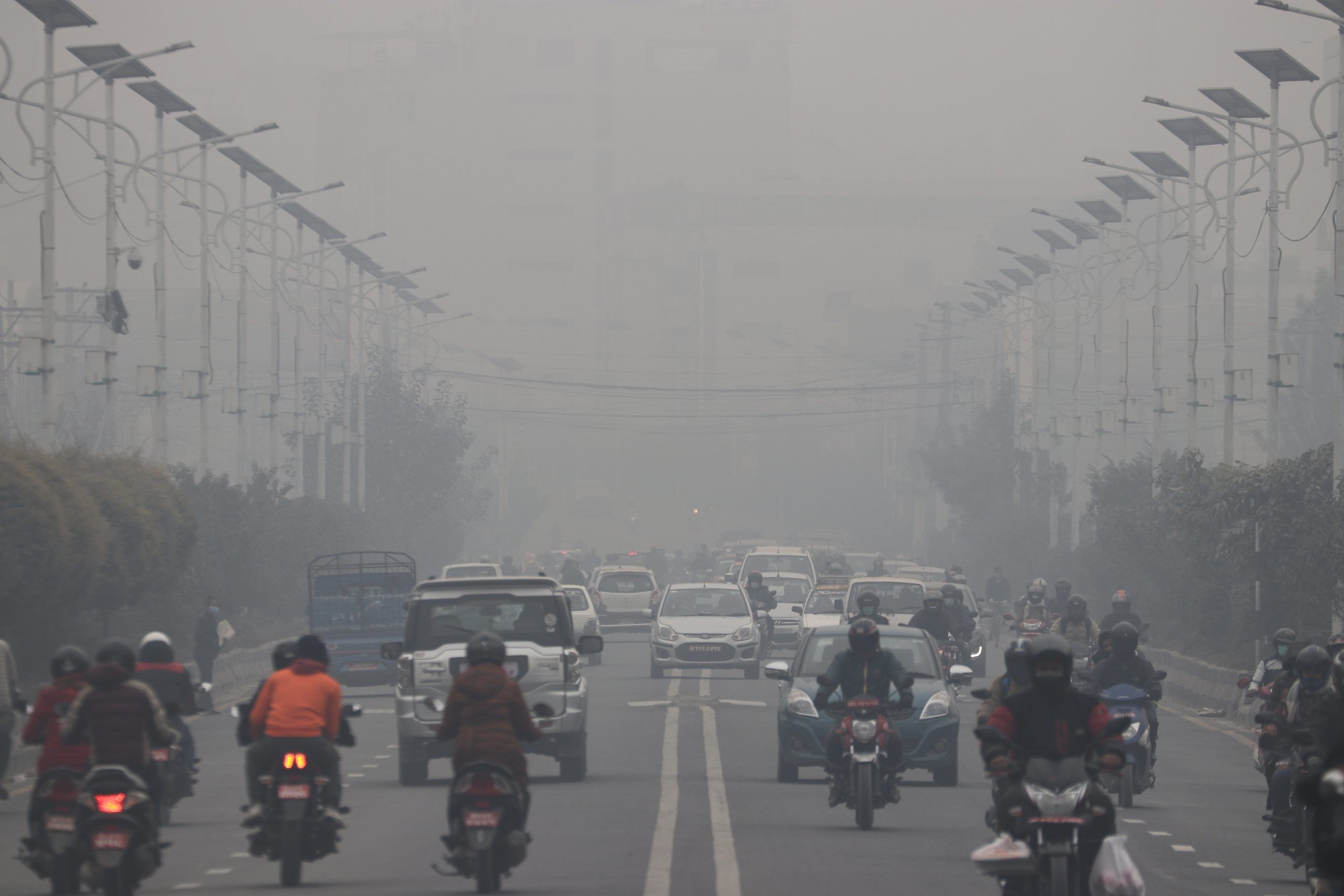
Kathmandu sits in a bowl-shaped valley surrounded by higher terrain. During stable conditions, especially on winter mornings, cooler air can remain near the ground beneath warmer air. This temperature inversion suppresses mixing and allows locally emitted pollution to accumulate near the valley floor.
Weak wind and little rain make dispersion and removal less effective. Stronger daytime mixing, wind, or sustained rain can improve conditions, while repeated calm days can create a multi-day episode.
The major pollution sources
Kathmandu's pollution is a mixture. Motor vehicles emit particles and gases, while resuspended road dust and construction add coarse and fine material. Brick kilns, other industries, diesel generators, household combustion, waste burning, and seasonal fires can also contribute.
- Vehicle exhaust, brake and tyre wear, and congestion
- Road dust, unpaved shoulders, construction, and demolition
- Brick kilns, industrial combustion, and diesel generators
- Household fuel use, waste burning, and biomass burning
- Smoke transported from forest fires or sources outside the valley
Why winter and pre-monsoon can be worse
Winter often combines shallow mixing, inversions, limited rain, and ongoing emissions. During the dry pre-monsoon period, dust, regional fires, and forest-fire smoke can add to local sources. Monsoon rain frequently lowers particle levels, but humidity, changing winds, and short pollution events still matter.
Seasonal expectations are useful for preparation, not a substitute for checking current data. A windy winter afternoon can be cleaner than a smoky pre-monsoon day, and conditions can change within hours.
Health effects and people at higher risk
Short-term exposure can irritate the eyes and airways, trigger coughing or wheezing, aggravate asthma, and increase strain on the heart and lungs. Repeated or long-term exposure is associated with more serious respiratory and cardiovascular outcomes.
- Children and teenagers, whose lungs are still developing
- Older adults
- Pregnant people
- People with asthma, COPD, heart disease, or other medical conditions
- Traffic workers, construction workers, athletes, and others active outdoors
From awareness to cleaner air
Personal protection reduces exposure, but it does not remove the source. Durable improvement needs cleaner transport and fuels, dust control, properly managed construction, improved industrial and kiln emissions, an end to open burning, reliable monitoring, and enforcement that people can understand and verify.
VayuDrishti is designed to make that evidence usable. Open the live Air Guide, select your location, confirm the timestamp and trend, then choose the lowest-exposure time and route available to you.
Local context
What a polluted Kathmandu morning can look like
After a calm winter night, a temperature inversion can limit vertical mixing over the valley floor. Morning traffic and nearby combustion then add pollution faster than the atmosphere can disperse it. Conditions may improve after sunshine warms the ground and wind increases, but this pattern is not guaranteed on every day.
A single city reading cannot describe every street. A roadside location, construction corridor, school courtyard, and hillside can experience different conditions at the same time. Use the nearest reliable reading together with the hourly trend before making a decision.
Now act
Practical recommendations
- Check current AQI, PM2.5, the dominant pollutant, and the update time before commuting or exercising.
- Move strenuous activity away from traffic corridors and dusty construction areas when possible.
- On high-pollution days, shorten intense outdoor activity and choose a cleaner indoor space.
- Avoid burning waste, leaves, wood, incense, or other materials that add particles near homes and schools.
- Use a well-fitted particulate respirator when exposure cannot be avoided and particle pollution is high.
- Seek medical advice for persistent breathing difficulty, chest pain, severe wheezing, or worsening heart or lung symptoms.
Sources and methodology
This guide synthesizes WHO health guidance and published Kathmandu Valley research. Source contributions vary across studies, seasons, instruments, and locations, so the article describes established source categories without presenting one percentage as universal. VayuDrishti readings are decision support, not a diagnosis or a measurement at every street.
- 1.Air quality trends of the Kathmandu Valley: ICIMOD
- 2.Source apportionment in Kathmandu Valley: ICIMOD
- 3.WHO global air quality guidelines: World Health Organization
Continue learning
Related action guides
 Air Quality 101
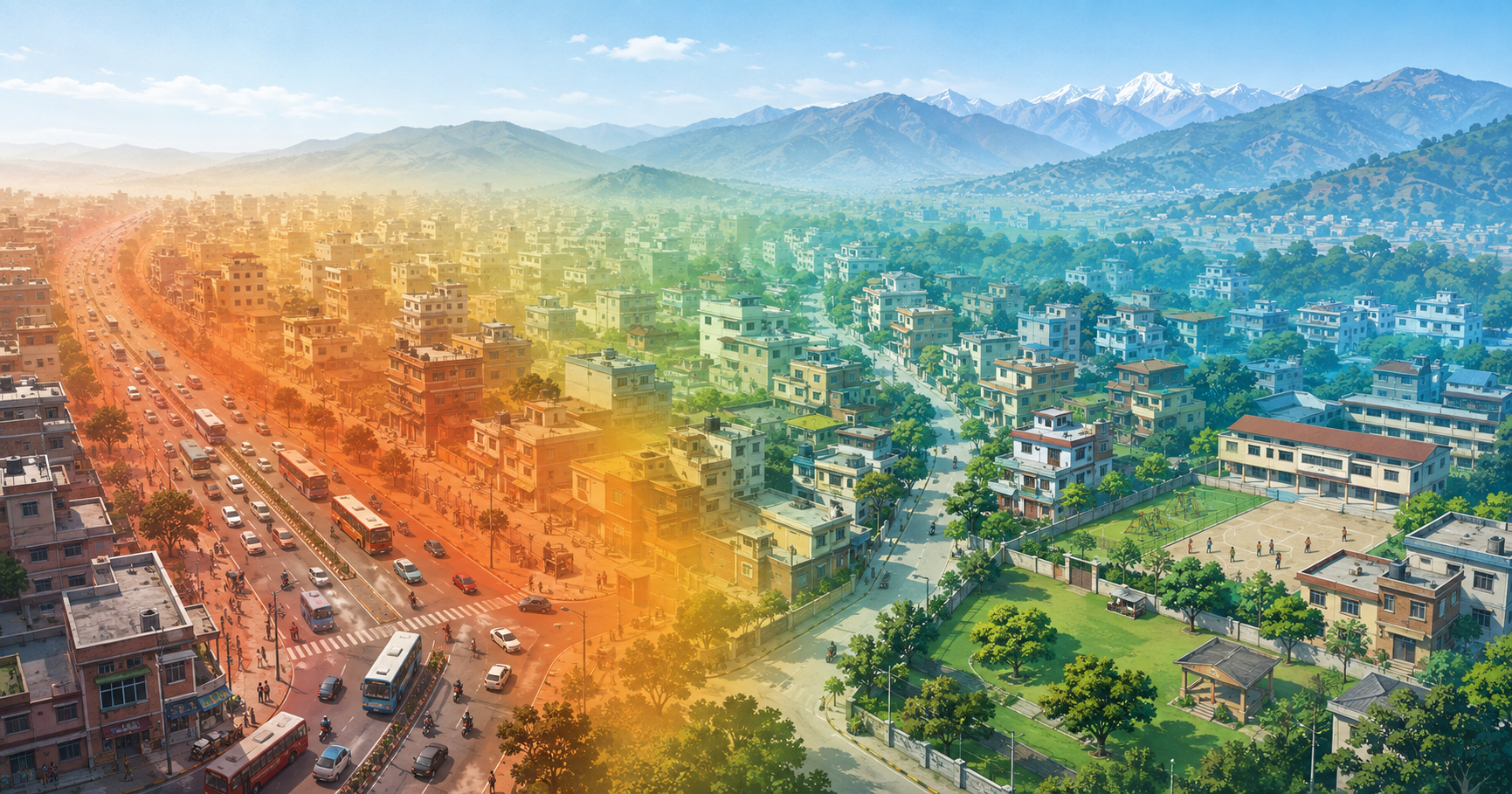
Why Air Quality Changes from Street to Street in Kathmandu
A single citywide AQI can hide important differences between busy roads, residential lanes and open spaces. Discover what creates Kathmandu’s hyperlocal pollution hotspots.
 Our Research
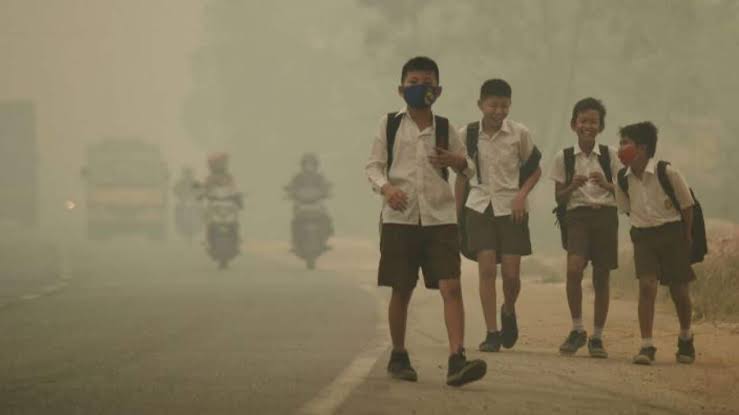
Air Pollution and Children: A Practical Guide for Parents and Schools
A practical AQI action plan for parents and schools, covering outdoor activity, classrooms, asthma, communication and cleaner air.
 Air Quality 101
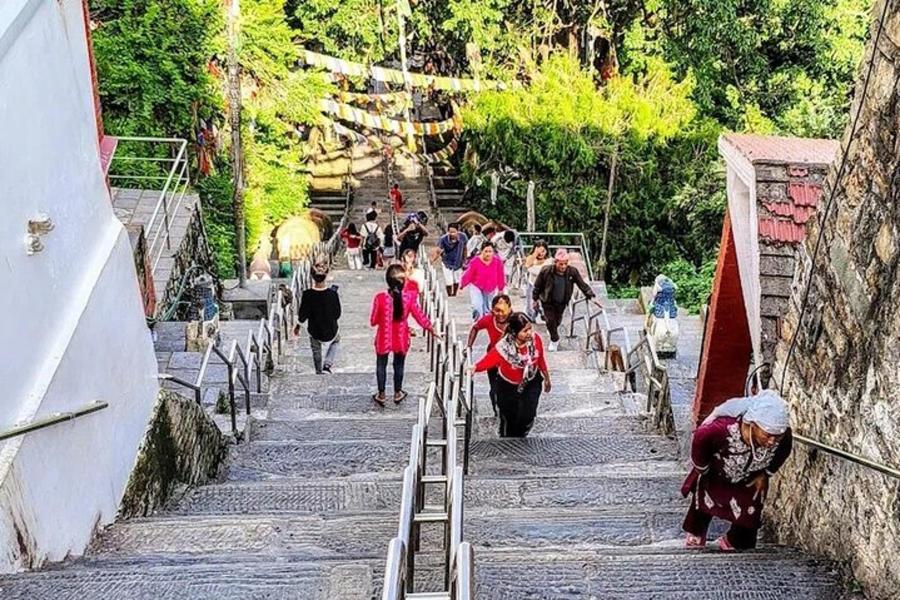
What AQI Is Safe for Walking, Running and Outdoor Exercise?
Use AQI, activity intensity, health status, location and timing to decide when to walk, run, cycle or move exercise indoors.