Community-Led Air Quality Initiatives
Explore practical community projects that help residents understand and improve local air quality.
In this article
Understand first
Three things this evidence means for you
- 1A community monitoring project should begin with a clear question and a realistic study design.
- 2Sensor placement, maintenance, and quality checks directly affect how useful the readings are.
- 3Data has more impact when residents can connect it to practical local decisions.
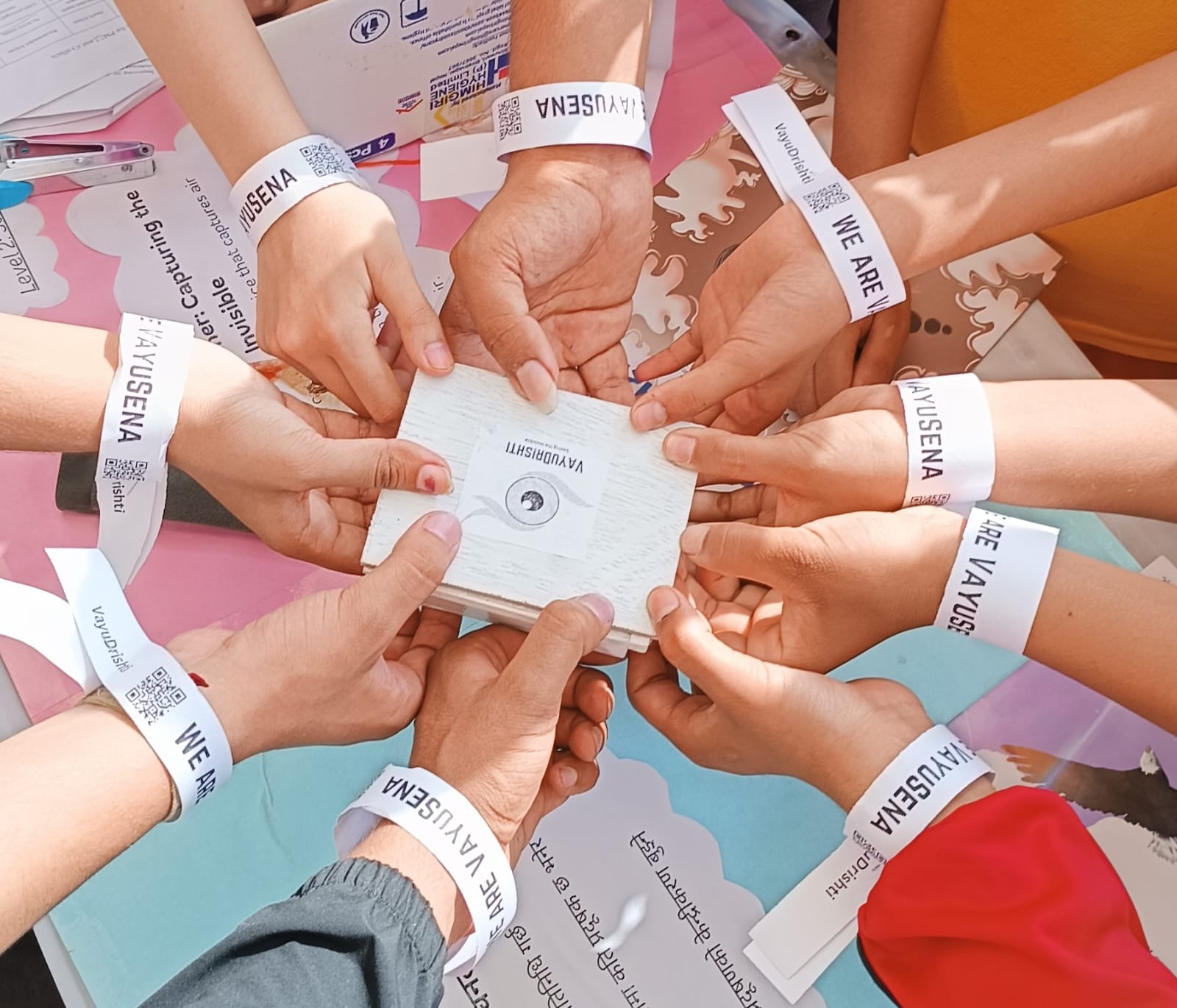
Communities experience pollution directly and are uniquely positioned to turn local knowledge into action. Monitoring, education, and collaboration can make invisible air pollution easier to understand and address.
What communities can do
- Build local low-cost sensor networks
- Run school and neighborhood awareness programs
- Organize clean transport and anti-burning campaigns
- Share local data with residents and authorities
- Create green buffers near roads and schools
Start small
A single monitor, school club, or neighborhood discussion can become the foundation for wider action. The most useful projects make data understandable and connect it to decisions people can take today.
Local context
A school-based monitoring example
A school can compare conditions near its entrance with a quieter part of the grounds, record traffic and weather observations, and use the results to adjust outdoor assembly or sports times. The goal is a transparent local learning project, not a claim that one sensor represents an entire city.
Now act
Practical recommendations
- Define the decision the project should support before choosing equipment or locations.
- Document placement, time, weather, and nearby activities alongside every dataset.
- Explain sensor limitations and avoid presenting low-cost readings as regulatory measurements.
- Share results in plain language with residents, schools, and relevant local authorities.
Sources and methodology
Recommendations follow community air-sensor study-design and outreach principles. Local projects should document calibration or collocation, siting, maintenance, missing data, and known limitations.
- 1.Air Sensor Use and Study Design: U.S. Environmental Protection Agency
- 2.Air Sensor Outreach and Resources: U.S. Environmental Protection Agency
Continue learning
Related action guides
 Climate Action
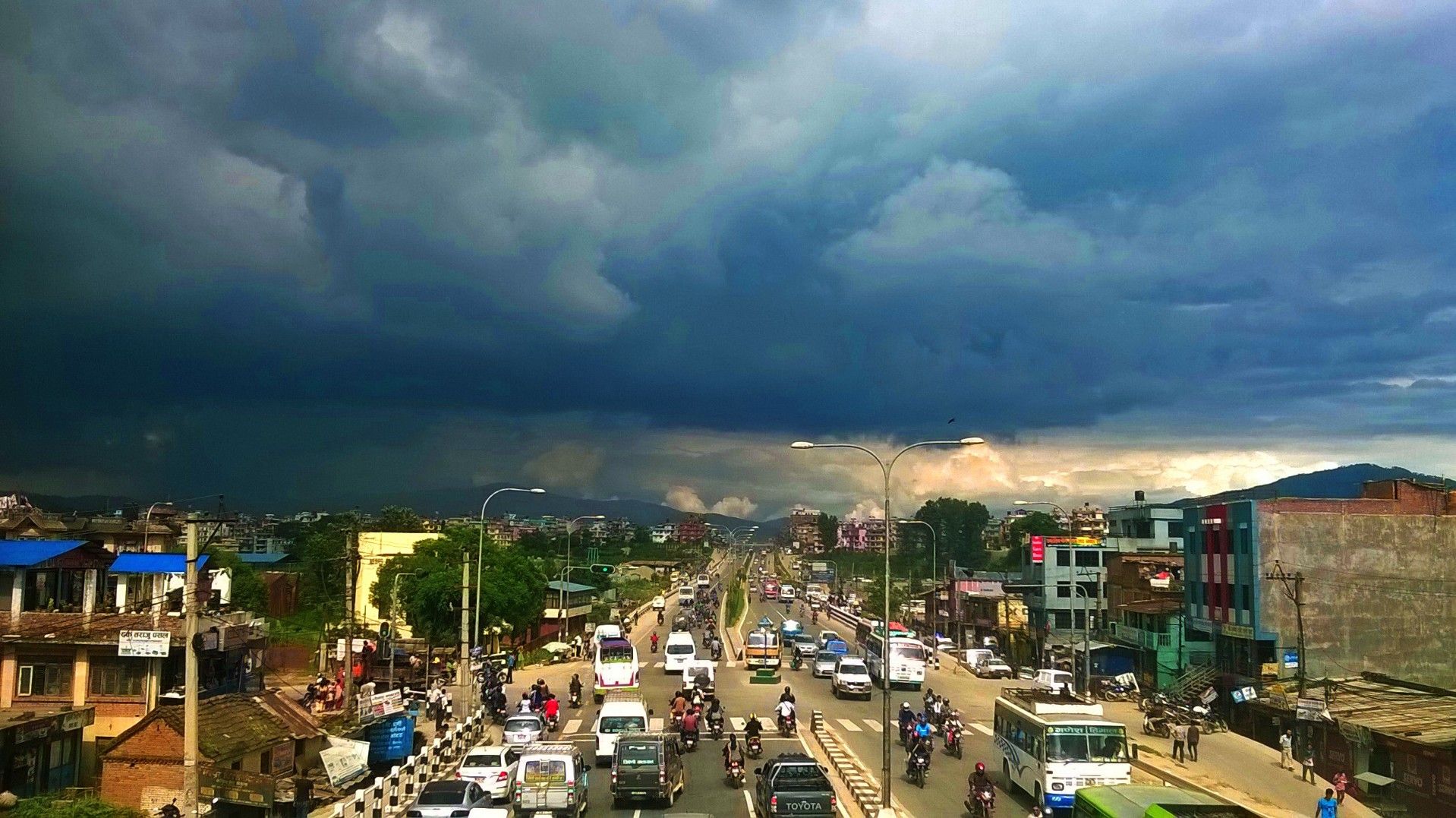
Does Rain Reduce Air Pollution? Nepal’s Monsoon Effect Explained
Learn how rain removes particles, why light rain may not fix pollution, and how humidity can affect air-quality readings in Nepal.
 Climate Action
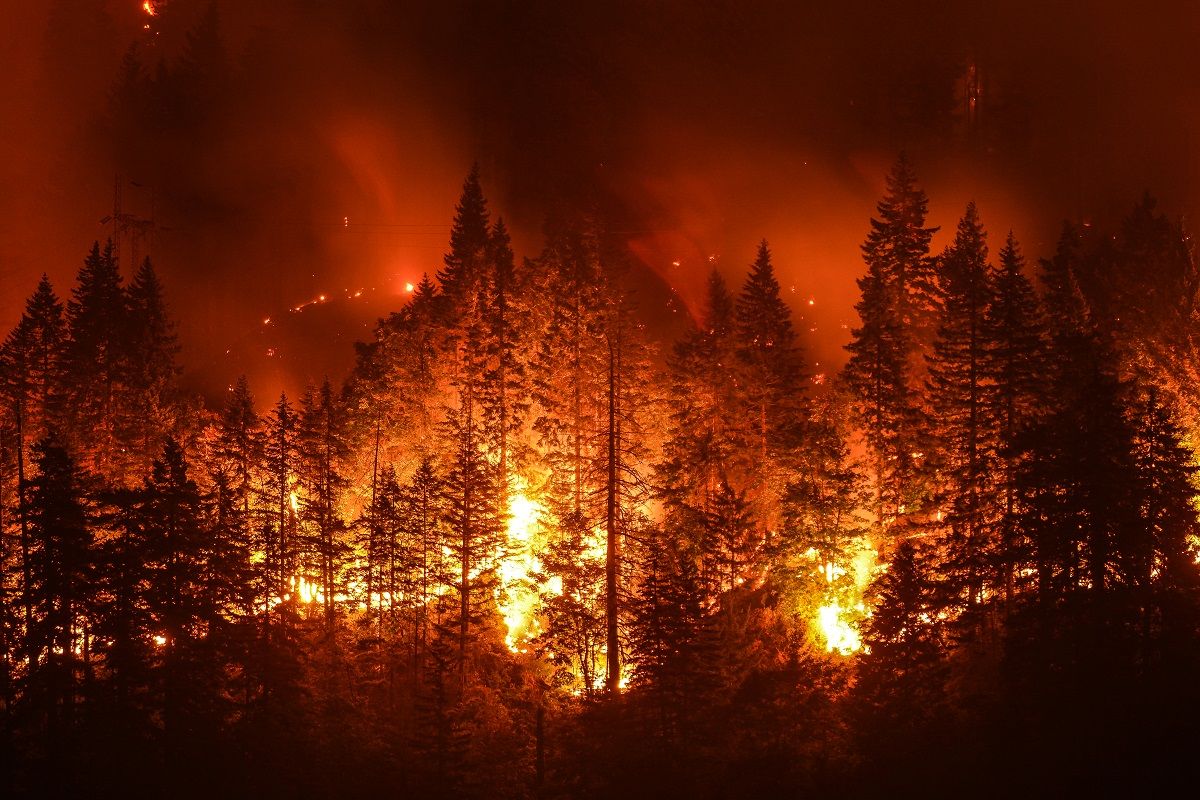
How Forest Fires Affect Nepal’s Air Quality
Understand when and how forest-fire smoke reaches communities in Nepal, what PM2.5 means for health, and how to reduce exposure.
 Air Quality 101
Why Air Quality Changes from Street to Street in Kathmandu
A single citywide AQI can hide important differences between busy roads, residential lanes and open spaces. Discover what creates Kathmandu’s hyperlocal pollution hotspots.